Acrylic Nails vs Dip Powder Nails: What’s the Real Difference?
When it comes to long-lasting manicures, two popular choices stand out: Acrylic Nails and Dip Powder Nails. Both offer durability, style flexibility, and beautiful results, but they differ greatly in materials, application processes, maintenance needs, and overall user experience.
Whether you're a beginner, nail enthusiast, or salon professional, understanding the differences between the two can help you choose the best option for your lifestyle and nail goals.
What Are Acrylic Nails?
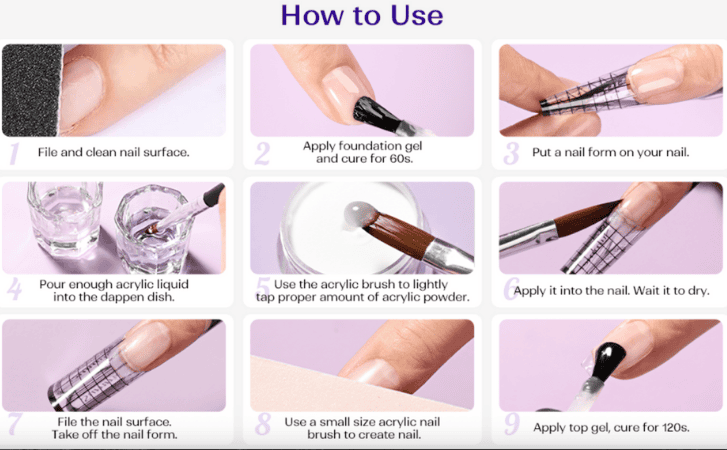
Acrylic nails are created by combining a liquid monomer with a powder polymer to form a hard, durable nail enhancement. Once the mixture cures, it becomes a strong and long-lasting artificial nail surface.
Pros of Acrylic Nails
Extremely durable and strong
Ideal for nail extensions and sculpting
Suitable for both professional and advanced home users
Cons of Acrylic Nails
Strong odor during application
Requires skill for proper shaping and filing
Can be harder to remove than gel or dip systems
What Are Dip Powder Nails?
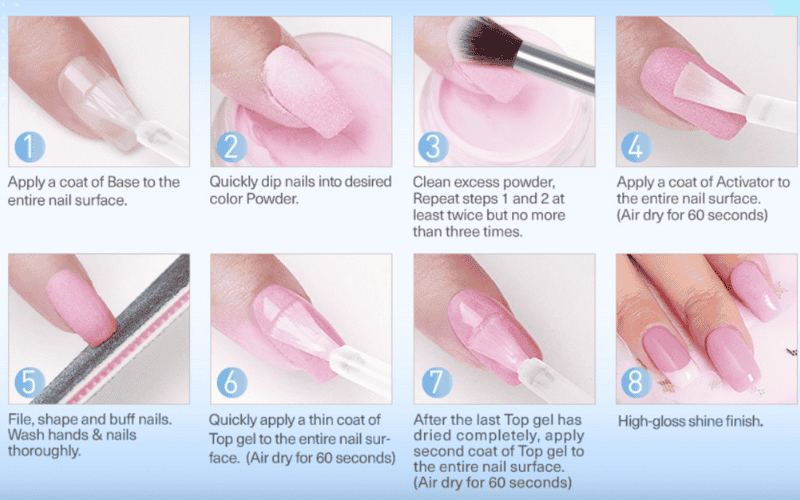
Dip powder nails use a fine acrylic polymer powder that adheres to the nail surface using a base resin. Instead of sculpting with a brush, the nails are dipped directly into the powder or powder is poured over them.
Pros of Dip Powder Nails
Faster application compared to acrylic
Strong but lightweight finish
Easier for beginners to use
Cons of Dip Powder Nails
Less flexibility for sculpting and extensions
Can feel grainy if not sealed and filed well
Application Process Comparison
| Feature | Acrylic Nails | Dip Powder Nails |
|---|---|---|
| Sculpting | Yes (extensions possible) | Limited |
| Odor | Strong acrylic smell | Minimal |
| Skill Level | Moderate–Advanced | Beginner–Friendly |
| Drying Method | Air-cured | Activator chemical |
Acrylics require brush control and shaping skills, which makes them more common in salons or professional settings. Dip systems, on the other hand, are designed to be accessible for home users or beginners.
Appearance & Finish
Acrylics allow precise sculpting, making them perfect for long coffin, stiletto, or almond nails.
Dip powder creates a smooth, natural-looking finish with less filing needed.
If you prefer dramatic, structured extensions, acrylic wins. If you prefer simple, natural thickness nails, dip powder is ideal.
Strength and Durability
Both systems provide long wear, but acrylics are generally stronger and better for long extensions. Dip nails last slightly less long but still outperform regular gel polish.
| Wear Time | Acrylic: 3–5 weeks | Dip: 2–4 weeks |
Removal Process: Correct & Safe Method
Removing acrylic and dip nails is a critical step many people misunderstand. Improper removal—such as prying, peeling, or aggressively clipping—can thin and damage natural nails.
Here’s the accurate, professional method:
How to Remove Acrylic or Dip Powder Nails Safely
Buff or File the Top Layer
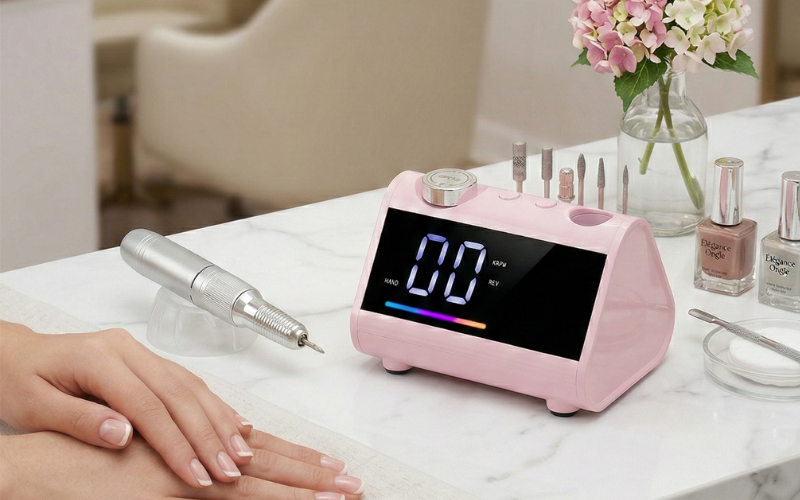
👉 For best efficiency and safety, a professional-grade drill such as the Zeal Shine Nail Drill is recommended—especially for thicker acrylic systems.
Use a professional nail drill or a medium-grit nail file to remove the surface seal and reduce bulk.
Using a nail drill significantly speeds up the process and reduces exposure time to soaking solutions.
Soak in Acetone
Place nails in pure acetone for 10–15 minutes (dip) or 15–25 minutes (acrylic).
Using warm acetone or foil wrap soak-off pads can shorten removal time.
Gently Remove Dissolved Product
Push softened material using a cuticle pusher.
Never scrape aggressively.
Refine and Smooth
Buff lightly using a fine-grit buffer.
Apply cuticle oil after removal to restore moisture.
💡 Why a Nail Drill Matters:
Acrylic layers are typically thicker and harder, and manually filing can be slow and damaging if uneven. A drill ensures smoother removal and protects the natural nail.
Which Option Is Best for You?
Choose Acrylic Nails if:
✔ You want dramatic shape flexibility
✔ You prefer long extensions
✔ Durability is the top priority
Choose Dip Powder Nails if:
✔ You want a natural look
✔ You’re new to nail enhancements
✔ You prefer faster and low-odor application
Longevity and Maintenance
Both systems require infills every 2–3 weeks depending on growth. Acrylics may require more reshaping during infill, while dip nails typically need thinner filing and reapplication layers.
Final Thoughts: Both Have Their Place
Both acrylic and dip powder nails offer stunning results, and neither option is universally “better.” The right choice depends on skill level, lifestyle, nail goal, and maintenance preference.
Acrylic = Best for structure, shaping, and professional use
Dip Powder = Best for easy, natural-looking durability with minimal learning curve