Using an e-file for cuticles can dramatically improve nail prep speed, precision, and long-term retention of gel or acrylic services — when done correctly. In this complete professional guide, you’ll learn the safest techniques, best drill bits, ideal RPM settings, common mistakes to avoid, and expert tips to achieve salon-quality results.
What Is an E-File and Why Use It for Cuticle Work?
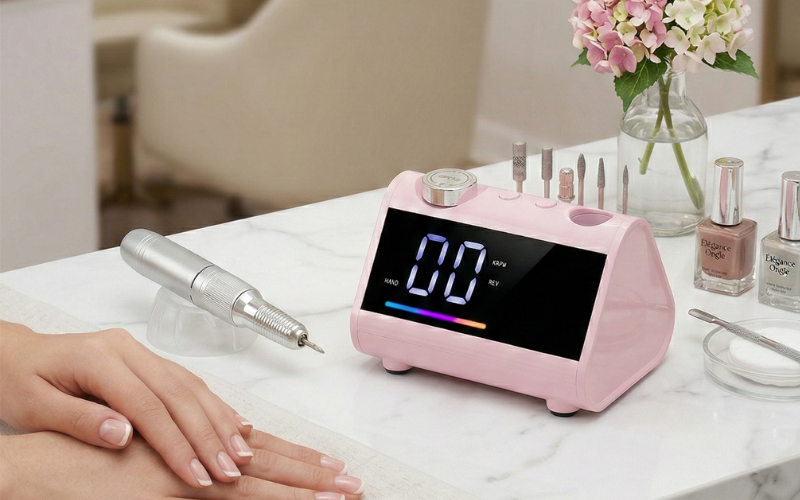
An e-file (electric nail file) is a motorized nail drill designed to shape, refine, and prep nails more efficiently than manual tools. When used for cuticle work, it allows nail technicians to lift, clean, and exfoliate non-living tissue around the nail plate with controlled precision.
Compared to manual cuticle nippers and pushers, an e-file offers:
Greater precision for detailed prep
Faster service time
Improved product adhesion
Reduced hand fatigue for nail techs
Cleaner “Russian manicure” finish
Professional salons increasingly rely on dry e-file manicure techniques because they create a smoother nail plate and cleaner cuticle line — which improves retention and final aesthetics.
Understanding the Cuticle Area (Before You Start)
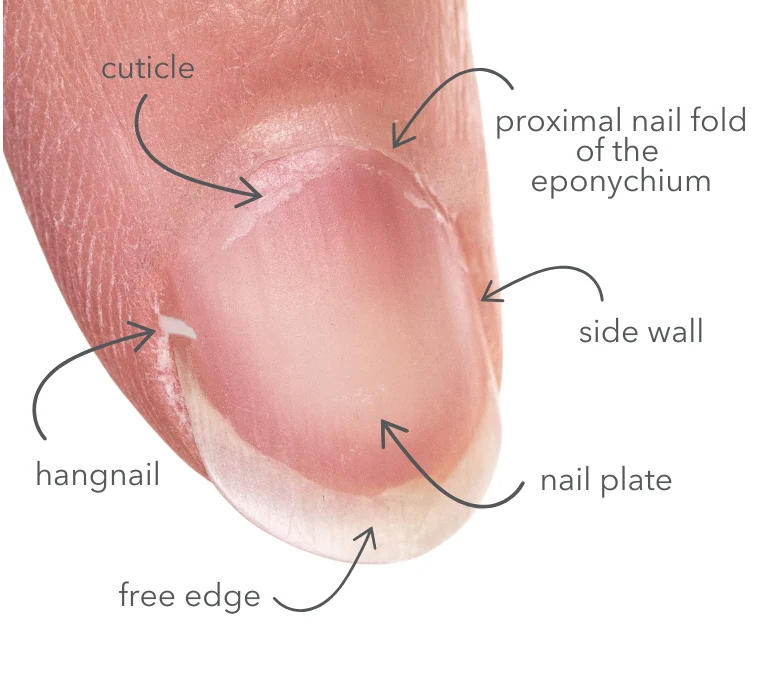
Before using an e-file on cuticles, it’s critical to understand the anatomy:
True cuticle – thin, non-living tissue attached to the nail plate
Eponychium – living skin at the base of the nail
Lateral folds – skin on both sides of the nail
⚠️ Important: An e-file should only remove non-living tissue. Never aggressively drill living skin.
Proper education and controlled technique are essential for safe results.
Best Drill Bits for Cuticle Work (Complete Breakdown)
Choosing the correct bit is more important than speed.
1. Flame Bit (Tapered Diamond Bit)
Best for:
Lifting the cuticle from the nail plate
Cleaning side walls
Russian manicure technique
Skill level: Intermediate to advanced
Recommended RPM: 6,000–10,000
This is the most commonly used professional bit for detailed cuticle prep.
2. Ball Bit (Diamond Ball)
Best for:
Removing lifted dead skin
Polishing and smoothing cuticle edges
Refining after flame bit work
Skill level: Beginner to advanced
Recommended RPM: 5,000–8,000
Ball bits are safer for finishing because they reduce sharp contact points.
3. Safety Cone Bit
Best for:
Beginners
Gentle exfoliation
Lower risk of cutting skin
Skill level: Beginner
Recommended RPM: 5,000–7,000
A good option for those still developing hand control.
Quick Reference Table
| Drill Bit Type | Purpose | Skill Level | Recommended RPM |
|---|---|---|---|
| Flame Bit | Lift cuticle | Intermediate | 6k–10k |
| Ball Bit | Remove dead skin | All levels | 5k–8k |
| Safety Cone | Gentle prep | Beginner | 5k–7k |
Step-by-Step Guide: How to Use an E-File for Cuticles Safely
This section is the core technique professionals follow.
Step 1: Prepare the Nail (Dry Manicure Method)
Do NOT soak the nails
Push back cuticles gently with a manual pusher
Ensure the nail plate is completely dry
Remove surface oils
Dry prep improves visibility and prevents over-filing.
Step 2: Set the Correct Speed (RPM Guide)
Speed matters more than people think.
Beginners: 5,000–8,000 RPM
Intermediate: 8,000–10,000 RPM
Advanced techs: up to 12,000 RPM
Never exceed safe ranges on natural nails.
Too high speed increases heat and friction, which can cause:
The “ring of fire”
Nail plate thinning
Client discomfort
Step 3: Proper Hand Position
Hold the handpiece like a pen
Rest your pinky for stability
Keep the bit parallel to the nail plate
Support the client’s finger with your opposite hand
Stability prevents accidental cuts.
Step 4: Lift the Cuticle with the Flame Bit
Start at the center of the cuticle line
Use light sweeping motions
Move center → left → right
Keep constant movement
Never stay in one spot
Pressure should be minimal — let the bit do the work.
Step 5: Refine with a Ball Bit
Gently remove lifted dead skin
Use soft circular movements
Avoid pressing into the eponychium
The goal is smoothing — not aggressive removal.
Common Mistakes When Using an E-File on Cuticles
Even experienced techs make these errors.
Mistake 1: Using Too High Speed
High RPM without control leads to:
Heat spikes
Skin irritation
Nail plate damage
Control is more important than speed.
Mistake 2: Holding the Bit at a 90° Angle
The bit should be angled slightly and kept parallel.
A 90° angle digs into the nail plate.
Mistake 3: Applying Pressure
If you press, you create friction.
Friction = heat = damage.
Mistake 4: Staying in One Spot
This causes:
Ring of fire (red irritation line)
Client pain
Over-thinning
Always keep the bit moving.
E-File Cuticle Safety Tips (Professional Advice)
To ensure safe and consistent results:
Work only on dry nails
Use quality diamond bits
Replace worn bits regularly
Disinfect properly between clients
Practice on silicone practice fingers
Use low vibration equipment
Choose a handpiece with stable torque
Low vibration and stable RPM output significantly reduce accidental slips.
Manual Cuticle Prep vs E-File Cuticle Prep
| Factor | Manual Tools | E-File |
|---|---|---|
| Speed | Slower | Faster |
| Precision | Moderate | High |
| Skill Required | Low | Moderate–High |
| Finish | Clean | Ultra-clean |
| Risk | Low | Medium (if untrained) |
E-files provide superior precision but require proper training.
Who Should Use an E-File for Cuticles?
Professional nail technicians
Russian manicure specialists
Advanced DIY users
Salon owners seeking efficiency
Beginners can use e-files — but should start with safety bits and lower RPM.
Frequently Asked Questions
Can beginners use an e-file on cuticles?
Yes, but only with proper training and low RPM settings. Beginners should start with safety cone or ball bits and avoid aggressive pressure.
What RPM is best for cuticle work?
Typically between 5,000–10,000 RPM. Higher speeds require better control and experience.
Is e-file cuticle prep better than cutting cuticles?
It can be safer when done correctly because it exfoliates non-living tissue instead of cutting living skin. However, improper use increases risk.
Why do professionals prefer dry e-file manicures?
Dry prep improves visibility, precision, and product adhesion while reducing overcutting.
How Equipment Quality Affects Cuticle Work
Not all nail drills perform equally.
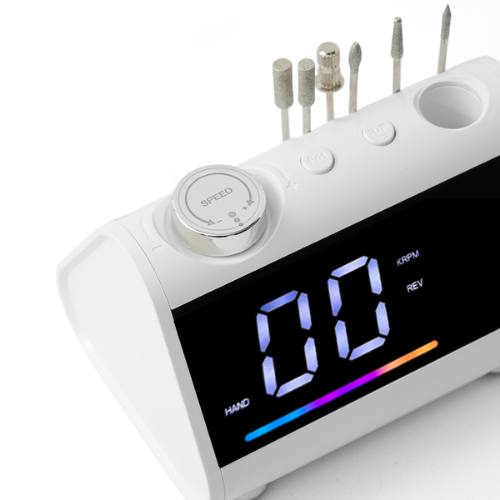
For precise cuticle work, a professional drill should have:
Stable RPM output
Low vibration
Smooth torque delivery
Lightweight handpiece
Pause function for control
Clear speed display
High vibration increases slip risk. Stable torque improves accuracy at lower speeds.
This is why salon-grade nail drills significantly outperform entry-level units for detailed cuticle prep.
Final Thoughts: Mastering E-File Cuticle Technique
Using an e-file for cuticles is a skill that combines:
Proper bit selection
Controlled speed
Correct hand positioning
Minimal pressure
Consistent movement
When done properly, it creates cleaner cuticle lines, improves product retention, reduces service time, and elevates the overall finish of your manicure.
The key is control — not speed.
With practice and quality equipment, e-file cuticle prep becomes one of the most powerful techniques in modern nail services.