What Kills Toenail Fungus the Fastest? Evidence-Based Treatments That Actually Work
Toenail fungus is one of the most persistent and frustrating nail conditions. If you are dealing with thickened, yellow, brittle, or discolored toenails, you have likely searched the internet for a “fast cure.” Unfortunately, much of the information online is misleading, incomplete, or based on myths rather than science.
So what actually kills toenail fungus the fastest?
The honest answer is not a miracle overnight solution — but there are treatments that work faster and more reliably than others, backed by clinical evidence. This article breaks down the science, explains common myths, and compares the most effective treatment options available today.
Why Toenail Fungus Is So Difficult to Treat
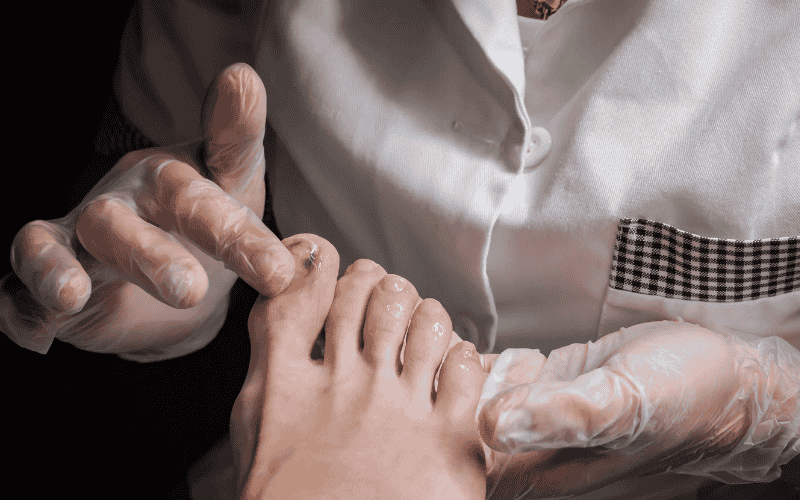
Toenail fungus, medically known as onychomycosis, lives under and inside the nail plate, not on the surface. This is the main reason it is so hard to eliminate.
Several factors make toenail fungus particularly stubborn:
The nail plate is thick and dense, acting as a natural barrier
Most treatments struggle to penetrate deep enough to reach the fungus
Toenails grow very slowly — often taking 6 to 18 months to fully regrow
Even after the fungus is killed, visible improvement takes time
Because of these limitations, any product or device claiming to “kill toenail fungus instantly” should be viewed with skepticism.
Does UV Light Kill Toenail Fungus? The Truth Behind the Myth
One of the most common misconceptions is that UV nail lamps can kill toenail fungus. This idea has spread widely through beauty blogs, forums, and social media, but it does not hold up under scientific scrutiny.
Why UV Nail Lamps Don’t Work
Standard nail lamps used in salons emit UVA light, typically between 365–405 nm. These lamps are designed for one purpose only: curing gel nail products.
UVA light:
Does not have strong antifungal properties
Cannot penetrate the nail plate deeply enough
Is not designed or approved for medical treatment
As a result, using a UV nail lamp on infected toenails may temporarily dry the surface, but it does not eliminate the fungus underneath.
Why UVC Is Not a Practical Solution
UVC light (200–280 nm) can kill microorganisms, including fungi. However:
UVC is dangerous to skin and eyes
It is not used in consumer nail devices
Medical-grade UVC requires strict safety controls
In short, UV nail lamps are not an effective or safe solution for toenail fungus treatment.
What Actually Kills Toenail Fungus the Fastest?
When people ask what kills toenail fungus the fastest, they usually mean:
The highest chance of cure
In the shortest overall treatment timeline
With real clinical evidence
Below are the most effective options, ranked by speed and reliability.
Clinically Proven Toenail Fungus Treatments (Ranked)
1. Oral Antifungal Medication (Fastest Proven Option)
Prescription oral antifungal drugs, such as terbinafine, remain the most effective and fastest proven treatment for toenail fungus.
How it works:
Treats the infection from inside the body
Delivers antifungal agents directly to the nail bed through the bloodstream
Advantages:
Highest documented cure rates
Targets deep fungal infection
Shorter active treatment period (typically 6–12 weeks)
Limitations:
Requires medical supervision
Not suitable for everyone (especially those with liver conditions)
Still takes months for the nail to fully grow out
For many patients, oral medication provides the best balance of speed and effectiveness.
2. Professional Laser Treatment
Laser therapy has become increasingly popular for toenail fungus treatment.
How it works:
Delivers controlled heat into the nail plate
Damages fungal cells through thermal energy
Advantages:
Non-invasive
No systemic side effects
Can improve nail appearance faster than topical treatments
Limitations:
Clinical results vary widely
Often requires multiple sessions
Not always covered by insurance
Laser treatment can be effective, particularly for mild to moderate infections, but results are less predictable than oral medication.
3. Photodynamic Antimicrobial Therapy (PACT)
Photodynamic therapy is an emerging treatment that combines:
A photosensitizing agent
A specific wavelength of light
Together, they trigger a reaction that destroys fungal cells.
Advantages:
Minimal pain or discomfort
No heat damage
Promising results for mild to moderate infections
Limitations:
Less widely available
Long-term data is still limited
Often requires professional application
PACT shows strong potential but is still considered an advanced or complementary treatment, rather than a universal solution.
4. Nail Plate Fenestration (Treatment Enhancer)
Nail fenestration involves creating microscopic openings in the nail plate to improve medication penetration.
What it does:
Enhances the effectiveness of topical antifungal products
Allows medication to reach deeper layers
Important note:
This is not a standalone cure
Works best when combined with other treatments
Why Topical Treatments Alone Are Usually Too Slow
Over-the-counter antifungal creams, lacquers, and solutions are widely available, but their effectiveness is limited.
Common issues with topical treatments:
Poor penetration through thick nails
Low real-world cure rates
Requires long-term daily use
Topical treatments can help prevent spread and support other therapies, but on their own, they are rarely the fastest solution.
What About Home Remedies?
Home remedies such as tea tree oil, vinegar soaks, and baking soda are often discussed online.
While these methods may:
Reduce odor
Improve nail appearance temporarily
Help maintain foot hygiene
There is no strong clinical evidence that they can cure toenail fungus, especially in established infections.
They should be viewed as supportive care, not treatment.
How Long Does It Take to Fully Get Rid of Toenail Fungus?
Even with the best treatment, toenail fungus is not cured overnight.
Typical timelines:
Active treatment: weeks to months
Visible improvement: 3–6 months
Full nail regrowth: 6–18 months
Patience and consistency are essential for long-term success.
How to Prevent Toenail Fungus from Coming Back
Preventing reinfection is just as important as treatment.
Key prevention strategies:
Keep feet clean and dry
Disinfect shoes regularly
Avoid walking barefoot in communal areas
Use clean, sanitized nail tools
Maintain proper nail trimming habits
Prevention significantly reduces recurrence risk.
Final Verdict: What Truly Kills Toenail Fungus the Fastest?
There is no instant cure, but the fastest and most reliable treatments are:
Oral antifungal medication (highest proven success)
Professional laser therapy (variable but effective for some)
Photodynamic therapy (promising emerging option)
What does not work:
UV nail lamps
Quick-fix devices
Home remedies alone
Effective toenail fungus treatment requires evidence-based methods, realistic expectations, and consistency.
Frequently Asked Questions
How long does it take to kill toenail fungus completely?
Most treatments require several months, depending on severity and nail growth.
Can toenail fungus be cured permanently?
Yes, but recurrence is possible without proper prevention.
Is laser treatment better than medication?
Laser is safer for some people, but oral medication remains more predictable.
Does UV light kill fungus on nails?
No. Standard UV nail lamps do not provide effective antifungal treatment.