Can Rubbing Alcohol Remove Nail Polish? Effectiveness, Safety, and How to Use It Properly
Many people run into the situation of wanting to remove nail polish but having no nail polish remover available at home. At that moment, the question naturally appears: can rubbing alcohol remove nail polish? The answer is yes — rubbing alcohol can remove regular nail polish, although it is not as strong as acetone, and the process may take longer. This guide explains how rubbing alcohol works, when it is effective, how to use it correctly, safety considerations, and what to do if you need to remove gel, dip powder, or acrylic nails.
If you are searching for practical solutions or wondering does rubbing alcohol remove nail polish efficiently enough, here is everything you need to know.
How Rubbing Alcohol Works to Remove Nail Polish
Rubbing alcohol, also known as isopropyl alcohol, breaks down the resins and pigments found in traditional nail polish. It softens the polish layer so that it can be wiped away using pressure and repeated soaking. While rubbing alcohol for nail polish remover is a useful emergency alternative, it is not as powerful as acetone-based removers.
So, will rubbing alcohol remove nail polish effectively? Yes, when used on standard lacquer-based formulas. It is not designed to dissolve UV-cured enhancements.
When Alcohol Works Best
Regular nail polish
Light shimmer polish
Recently applied polish (1–3 days old)
Not Effective For
Gel polish
Acrylic nails
Dip powder nails
Builder gel
Poly gel extensions
In short, rubbing alcohol nail polish remover is suitable for basic manicures but not strong enough to break down cured gel structures.
How to Remove Nail Polish with Rubbing Alcohol (Step-by-Step Guide)
What You Need
70% – 99% isopropyl rubbing alcohol
Cotton balls or cotton pads
Nail buffer or file (optional)
Cuticle oil or hand cream
Removal Steps
Clean your hands and dry completely.
Soak a cotton pad with rubbing alcohol.
Press the cotton firmly onto the nail surface.
Hold for 15–30 seconds to soften the polish.
Wipe from the nail bed outward toward the tip.
Repeat the process for stubborn or dark colors.
Wash hands thoroughly and apply moisturizer or cuticle oil.
Higher concentrations (90%–99%) typically work faster. Lightly buffing the nail surface before application can help speed the process.
If you are wondering is rubbing alcohol nail polish remover safe for frequent use, the answer is yes when used occasionally, but it can dry the nails with repeated exposure.
Rubbing Alcohol vs. Acetone: Which Works Better?
| Feature | Rubbing Alcohol | Acetone |
|---|---|---|
| Strength | Moderate | Very Strong |
| Removes Gel/Acrylic | No | Yes |
| Speed | Slow | Fast |
| Nail Health | Gentler | Can cause dryness |
Summary Comparison
Does rubbing alcohol remove nail polish faster than acetone? No.
Is it a safe alternative? Yes, especially for sensitive nails.
Should you rely on it regularly? Only if acetone is not available.
Alternatives to Rubbing Alcohol for Removing Nail Polish
If rubbing alcohol is not available, the following options may work depending on the situation:
| Alternative | Effectiveness | Notes |
|---|---|---|
| Hand sanitizer | Medium | Works because it contains alcohol |
| Perfume | Low | Useful only as a quick emergency |
| Hairspray | Low | Temporary and inconsistent results |
| Professional remover | Strong | Best option for gel, acrylic, dip powder |
Can Rubbing Alcohol Remove Gel Polish?
A common question is whether rubbing alcohol can remove gel nails. Gel polish is polymer-cured under UV or LED light, creating a hard, durable coating. Rubbing alcohol will not dissolve this type of material. It may clean the surface layer but cannot break down the hardened structure underneath.
So, will rubbing alcohol remove nail polish from gel extensions or acrylic overlays? No — it only softens the top coat, not the cured base layers. To remove gel or acrylic properly, acetone soaking, foil wrapping, or filing is required.
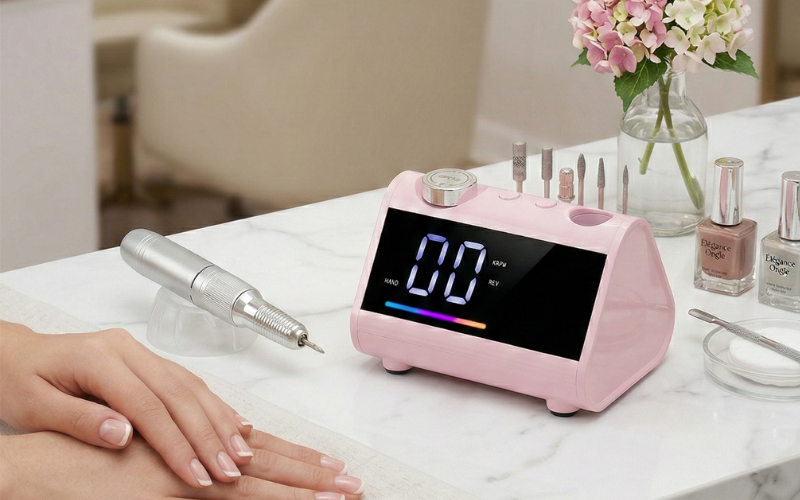
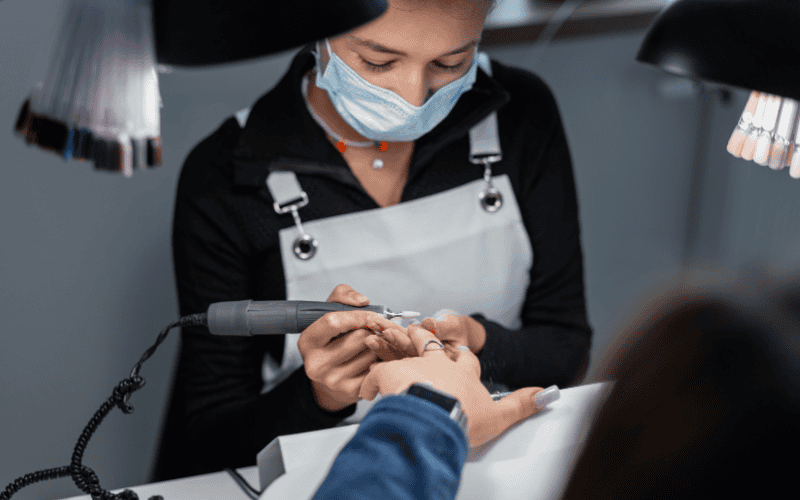
A professional nail drill is also one of the most effective solutions for gel and acrylic removal when used correctly and gently. For professional nail drill systems suitable for salons and home use, visit: Professional Nail Drill
Safety Tips When Using Rubbing Alcohol
Avoid contact with broken or irritated skin
Do not use near open flames or heat sources
Use in a well-ventilated area
Moisturize after use to prevent dryness
Limit frequent use to protect nail health
Dermatologists and nail technicians often emphasize balancing chemical removal with proper nail care to prevent brittleness or cracking.
Frequently Asked Questions
Does rubbing alcohol remove nail polish better than nail polish remover?
No, it is slower and less effective, but it works when normal remover is unavailable.
Is rubbing alcohol nail polish remover safe?
Yes, as long as aftercare moisture is applied.
Can rubbing alcohol remove glitter polish?
Yes, but it requires more pressure and longer soaking time.
Will rubbing alcohol remove nail polish stains from skin?
Yes, rubbing lightly with a cotton pad is usually enough.
Final Thoughts
So, can rubbing alcohol remove nail polish? Yes, rubbing alcohol can remove regular nail polish effectively and is a convenient option when traditional removers are not accessible. It is affordable, widely available, and more gentle than acetone. However, it is not suitable for removing gel polish, acrylic nails, dip powder, or strong nail enhancement systems.
For advanced nail coating removal, a professional nail drill offers a controlled, safe, and fast method and is widely used in salons and home care. To explore high-performance nail drill machines designed for both salon professionals and consumers, visit the nail drill product page: Zeal Shine