UV Light for Nail Fungus Effectiveness Safety and What Really Works
Toenail fungus is one of the most persistent and frustrating nail conditions many people experience. Because UV lamps are common in nail salons, many wonder whether using uv light for nail fungus could help kill the infection and restore healthy nails. It sounds logical—UV light is often used for sterilization, so why not apply the same idea to fungal nails?
In reality, the answer is more complicated. This guide breaks down what UV light can and cannot do, how safe it is, and which treatments actually work in real life. Whether you are searching for uv light for toe fungus, uv light for toenail fungus, or simply want to know does uv light kill fungus, this article will give you a clear, science-based explanation.
What Is Toenail Fungus and Why Is It Hard to Treat?
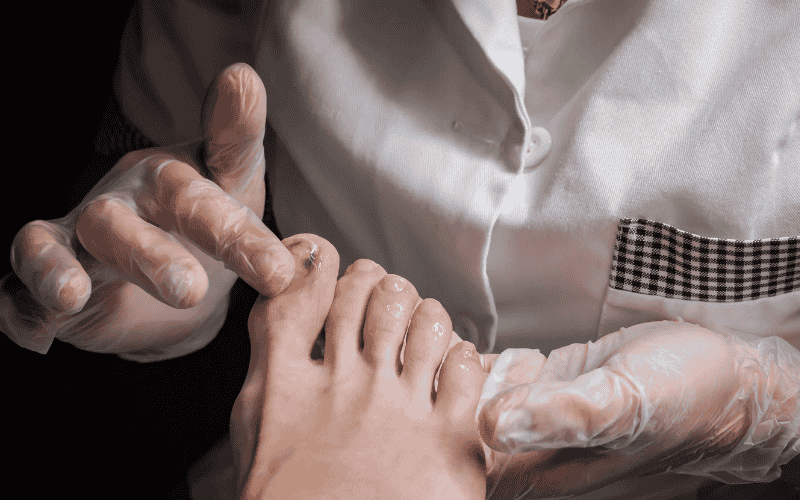
Toenail fungus (onychomycosis) is a slow-growing infection caused by dermatophytes, yeasts, or molds. It often begins with a small white or yellow spot under the nail and can eventually cause:
Thickening of the nail
Brittleness or cracking
Fishy odor
Discoloration
Lifting of the nail plate
One of the biggest challenges in treating fungus is the nail structure itself. The nail plate is thick and dense, acting as a physical shield that blocks many topical treatments—especially UV light. This is one reason so many people go online searching whether uv nail fungus solutions could bypass this problem.
Understanding How UV Light Works
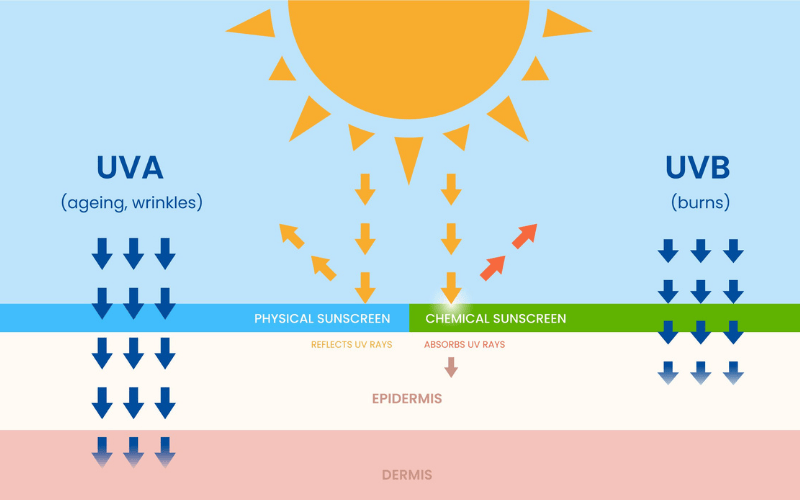
Before discussing whether UV kills fungus, it helps to understand the three types of UV light:
UVA (315–400 nm)
Commonly used in nail lamps for curing gel polish
Low energy
Does not kill microorganisms effectively
Penetrates the skin but not the nail thick enough to reach fungus
UVB (280–315 nm)
Causes tanning and sunburn
Also not strong enough to kill tough fungal cells
UVC (100–280 nm)
Strong germicidal properties
Used in water treatment and surface sterilization
Dangerous for skin and eyes
Not used in beauty or nail devices
Understanding these differences is essential when evaluating whether uv light for toenail fungus is scientifically possible.
Does UV Light Kill Nail Fungus? The Short Answer
Many people ask:
Does UV light kill nail fungus?
Can UV light kill fungus effectively?
Does UV kill fungus on nails?
The short answer is no—at least not with the type of UV light available in nail salons or at home.
Here is why:
1. Nail Lamps Use UVA, Not UVC
UVA has very weak antimicrobial power. It is designed to polymerize gel polish—not kill microorganisms. Even long exposure does not produce the high energy needed to destroy fungal DNA.
2. UV Light Cannot Penetrate the Nail Plate
Even if UVA had stronger germicidal effects, it still could not pass through a thick toenail to reach the fungus residing underneath. Fungus grows in the nail bed, not on the surface.
3. Fungus Is More Resistant Than Bacteria
Fungi have strong cell walls and are naturally resilient. Their survival mechanisms allow them to tolerate environmental stress, including low-power UV exposure.
Because of these factors, using uv light for toe fungus provides little to no benefit. You might dry the nail or warm the nail plate, but you will not kill the fungal cells.
Why Nail Salon UV Lamps Cannot Treat Fungus
Salon nail lamps are optimized for beauty—not medical treatment. Their wavelength, energy output, and design purpose all focus on hardening gel polish. They are not engineered to deliver germicidal power.
Even if someone used a nail lamp daily, the fungus would remain completely unaffected. This is one of the reasons people become confused, thinking UV equals sterilization. But in beauty equipment, the UV spectrum is entirely different.
If you are searching for the best uv light for nail fungus, the reality is that such a device does not exist in a safe consumer format.
Can Any Type of UV Light Kill Fungus?
From a scientific perspective, only UVC can destroy fungal spores effectively. It does this by damaging their DNA so they cannot reproduce. However:
UVC is extremely harmful to human skin
It can permanently damage the eyes
It is not approved for direct use on the body
It cannot penetrate the toenail plate
So even though laboratory UVC devices can kill fungus on surfaces, they cannot be used as a treatment for toenail fungus in humans.
This makes all consumer-level claims surrounding can uv light kill fungus or does uv kill fungus misleading when applied to nail infections.
Is UV Light Safe for Nail Fungus Treatment?
Using standard UVA nail lamps is generally safe for curing gel polish but not for treating infections. Risks include:
Skin aging from UVA exposure
Increased pigmentation over time
Minimal but present skin cancer risk with frequent exposure
No clinical benefit for fungus removal
Trying to treat fungus with UV is not only ineffective but also potentially harmful if overused.
Why People Search for UV Light for Nail Fungus
Many turn to UV light because:
They already own a nail lamp
They want a fast, easy home remedy
They assume “UV kills germs” and expect the same for fungus
They see online misinformation promoting UV solutions
However, understanding the underlying science can save time, money, and frustration.
If UV Doesn’t Work, What Actually Does?
Here are scientifically supported treatments for toenail fungus:
1. Topical Antifungal Treatments
Over-the-counter creams help mild cases but require long-term consistency. Prescription topicals penetrate better and are more effective.
2. Oral Antifungal Medications
These are the most successful treatments because they enter the bloodstream and grow out with the new nail. They require a doctor's prescription.
3. Medical Laser Therapy
Laser light is different from UV. It delivers concentrated heat energy that can penetrate the nail and damage fungal cells. This treatment must be performed by trained professionals.
4. Proper Foot Hygiene
Keep feet dry
Change socks frequently
Use breathable footwear
Trim nails regularly
Disinfect shoes with antifungal sprays
These habits prevent re-infection and support ongoing treatment.
When to See a Doctor
Consult a doctor or dermatologist if:
The infection has lasted more than 6–12 months
Nails are painful or severely thickened
You have diabetes or circulation problems
Multiple nails are infected
Self-treating with ineffective methods like UV light may delay real improvement.
Conclusion
Using uv light for nail fungus might seem like an easy home remedy, but scientific evidence shows that UV light—especially the UVA light found in nail lamps—cannot kill fungus. It does not have the energy, penetration ability, or biological impact needed to reach the infection under the nail.
If you want real results, turn to evidence-based treatments such as topical medications, oral antifungals, professional laser therapy, and consistent foot hygiene. These options provide a safer and more effective path to restoring healthy nails.