Nail Extensions 101: A Complete Beginner’s Guide
Introduction
Nail extensions have become one of the most popular beauty trends in the nail industry, offering longer, beautifully shaped nails without waiting months for natural growth. Whether you're someone with short nails, brittle nails, or simply love creative nail art, nail extensions can help you achieve your desired look instantly.
But with so many options — acrylic, gel, dip powder, press-ons — choosing the right type can be confusing. This beginner-friendly guide breaks down everything you need to know about nail extensions, including types, application steps, durability, safety tips, and how to care for them properly.
What Are Nail Extensions?
Nail extensions are artificial enhancements applied on top of natural nails to add length, strength, and shape. Unlike regular gel polish, which only coats the nail surface, extensions physically build additional structure — making them perfect for long or sculpted nail styles.
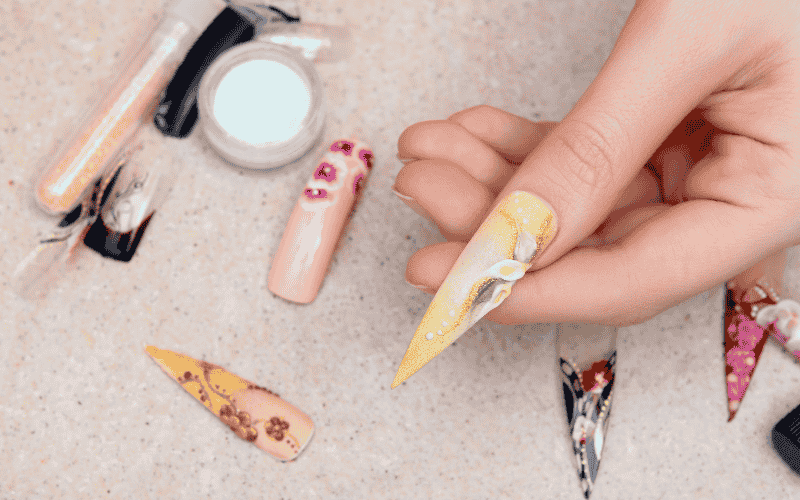
They can be customized into various shapes like almond, square, stiletto, or coffin, and are a staple for both everyday wear and special occasions.
Types of Nail Extensions
Not all nail extensions are the same. Each type offers a different look, durability, and application method. Below are the most common options:
1. Acrylic Nail Extensions
Acrylic extensions are created by combining a liquid monomer with a powder polymer, forming a durable material that hardens when exposed to air — no lamp required.
Pros:
Extremely durable and long-lasting
Suitable for intricate shapes and long nails
Can be easily refilled
Cons:
Strong odor during application
Can feel rigid
Removal requires soaking in acetone
Best for: People who want long-lasting extensions and don’t mind maintenance.
2. Gel Nail Extensions (including Builder Gel & Gel-X)
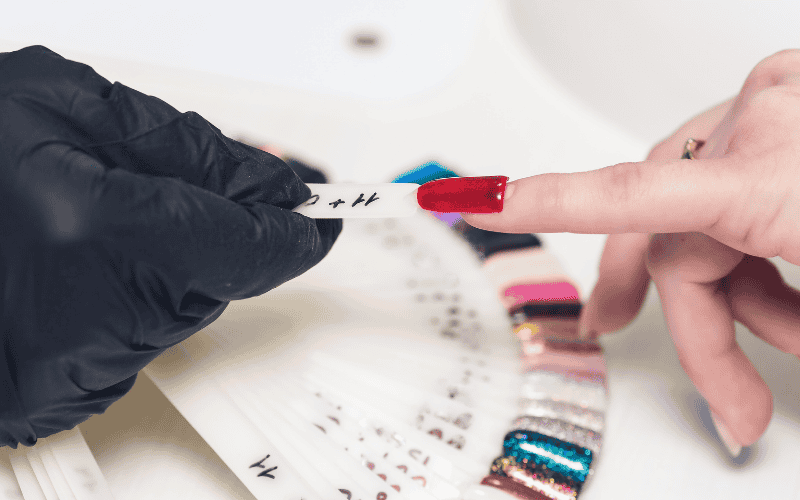
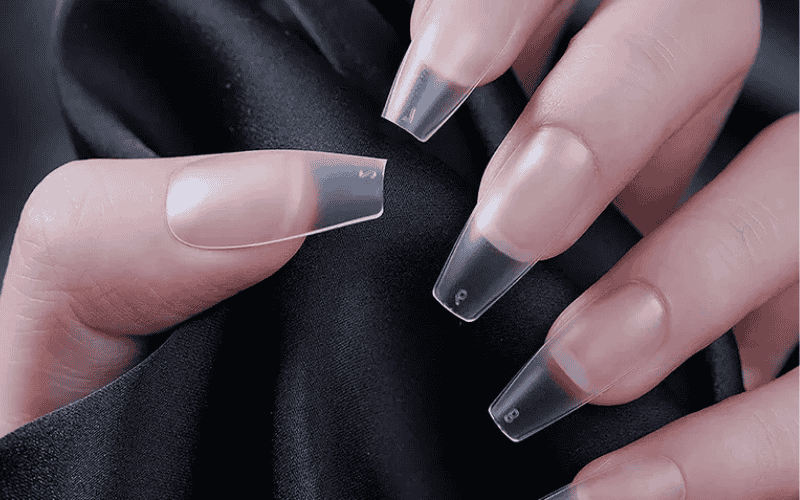
Gel extensions use a thick gel formula cured under a UV or LED lamp. Soft gel methods like Gel-X are growing in popularity because they are lighter and feel more natural.
Pros:
Lightweight and flexible
Natural appearance
Less odor than acrylic
Cons:
Requires curing lamp
Not always as strong as acrylic
Best for: Those who want a comfortable, natural-feeling extension.
3. Dip Powder Extensions
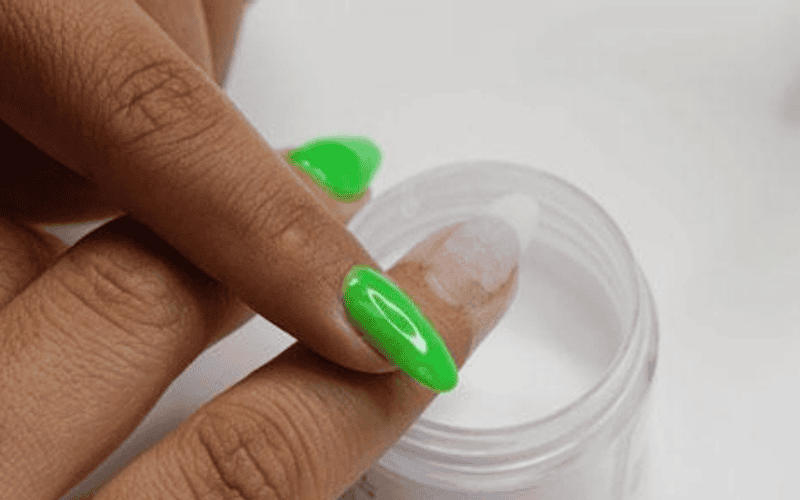
Dip extensions use colored or clear powder set with adhesive. While they can add slight length, they’re more commonly used as overlays rather than full extensions.
Pros:
Quick application
Low maintenance
Cons:
Limited sculpting ability
Removal can be time-consuming
Best for: Short or medium-length nails needing strength.
4. Press-On Nail Extensions
Modern press-ons are reusable and available in professionally designed shapes, making them a top choice for temporary wear.
Pros:
Affordable
No professional skill required
Removable without damage
Cons:
Shorter wear time
Less durable than salon extensions
Best for: Beginners or occasional use (events, holidays, etc.)
How Nail Extensions Are Applied: Step-by-Step
While each method varies slightly, most extension applications follow these core steps:
Sanitize and clean nails
Push back and trim cuticles
Buff and prep natural nails
Apply nail dehydrator and primer
Apply tips or forms
Build structure using acrylic, gel, or dip method
Shape and file
Cure (for gel)
Seal and top coat
This process ensures strong adhesion and helps prevent lifting.
Pros and Cons of Nail Extensions
| Benefits | Considerations |
|---|---|
| Instant length and perfect shape | Requires regular upkeep |
| Long-lasting finish | Incorrect removal may damage nails |
| Ideal for nail art designs | Cost varies based on type and salon |
| Boosts confidence and style | Requires proper hygiene |
How Long Do Nail Extensions Last?
On average, nail extensions last:
| Type | Wear Time |
|---|---|
| Acrylic | 3–5 weeks |
| Gel Extensions | 2–4 weeks |
| Dip Powder | 2–3 weeks |
| Press-On | 5–14 days |
Lifestyle, nail prep, and aftercare significantly impact durability.
Are Nail Extensions Safe?
Yes — when applied and removed correctly. Most nail damage occurs due to:
Over-filing natural nails
Peeling or prying off extensions
Poor hygiene or improper sanitization
To maintain nail health:
✔ Apply cuticle oil daily
✔ Take breaks between appointments
✔ Always remove extensions safely (preferably professionally)
Maintenance & Aftercare Tips
Avoid using nails as tools
Wear gloves when cleaning or washing dishes
Moisturize cuticles daily
Schedule fills every 2–3 weeks
Avoid picking, peeling, or biting extensions
Proper care can extend the life of your manicure and protect your natural nails.
Which Nail Extension Type Should You Choose?
| Preference | Best Choice |
|---|---|
| Natural look | Soft gel / Gel-X |
| Maximum durability | Acrylic |
| Beginner-friendly | Press-on |
| Budget-friendly | Dip or Press-on |
| Sensitive to chemicals | Gel extensions |
Frequently Asked Questions
Do gel extensions last longer than acrylic?
Acrylics usually last slightly longer, but gel extensions feel lighter and more flexible.
Can you swim with nail extensions?
Yes, but exposure to chlorine or saltwater may reduce lifespan.
Are nail extensions good for short nails?
Absolutely — they’re ideal for short or weak natural nails.
Conclusion
Nail extensions offer endless possibilities for style, length, and durability. Whether you're trying them for the first time or looking to switch methods, understanding the differences helps you choose the type that best suits your lifestyle. With the right care and professional application, nail extensions can be a safe, beautiful way to enhance your nails.