How Often to Get a Manicure: A Professional Guide to Healthy Nails
Maintaining healthy, strong nails goes beyond aesthetic appeal. Proper manicure frequency, combined with the right nail care techniques and tools, ensures your nails remain resilient, free from damage, and visually stunning. One of the most common questions nail enthusiasts ask is: how often to get a manicure? The answer is nuanced and depends on your nail biology, chosen manicure type, lifestyle habits, and professional technique.
This guide provides an in-depth, science-backed perspective on nail care, ideal manicure frequency, and practical tips to protect and strengthen your nails.
Why Understanding Manicure Frequency Matters
Manicures are more than a cosmetic treatment. They play a critical role in:
Maintaining nail integrity: Each nail is composed primarily of keratin, a protein that forms the hard nail plate. Excessive manipulation, chemical exposure, or improper filing can weaken the keratin matrix.
Protecting the cuticle: Cuticles are a natural barrier against pathogens. Aggressive cuticle removal or repeated chemical exposure can compromise this protective layer.
Preventing long-term damage: Over-frequent or improperly executed manicures can cause brittleness, splitting, and nail thinning.
Understanding how often to get a manicure balances aesthetic desire with biological reality, allowing for nail regeneration and structural integrity.
Scientific Basis for Manicure Intervals
Nail Growth Rate and Renewal
On average, fingernails grow approximately 3 mm per month, while toenails grow about 1 mm per month. Each keratinocyte in the nail matrix takes roughly 100–120 days to move from the nail root to the tip. Frequent manicures without adequate rest can interfere with this natural growth, leading to weak or layered nails.
Keratin Hardening and Stress
Nail plates harden over time through a natural dehydration and keratinization process. Excessive buffing, filing, or gel removal can disrupt this hardening, reducing mechanical resistance. Therefore, the interval between manicures must allow keratin layers to stabilize.
Recommended Manicure Frequency by Type
| Manicure Type | Recommended Frequency | Rationale |
|---|---|---|
| Regular Nail Polish | Every 1–2 weeks | Easy removal, minimal chemical stress |
| Gel Polish | Every 2–3 weeks | Strong bond, longer-lasting, but removal may stress nails |
| Builder Gel / BIAB | Every 3 weeks | Thick application supports nail structure; requires careful removal |
| Acrylic Nails / Extensions | Every 2–3 weeks (fills) | Maintains structural integrity and prevents lifting |
| Natural Manicure | Every 1–2 weeks | Allows hydration and minimal stress on nail plate |
These intervals are guidelines. Individuals with weak or brittle nails may require longer intervals, while those with healthy nails may sustain more frequent treatments.
Factors Affecting How Often to Get a Manicure
1. Nail Biology and Condition
Keratin density: Thicker, denser nails withstand more frequent manicures.
Porosity: Highly porous nails absorb chemicals more readily, requiring gentler care.
Brittleness or splitting: Signs that the nail needs longer recovery periods between treatments.
2. Manicure Type and Chemical Composition
Regular polish: Solvent-based, easy to remove; minimal impact on keratin.
Gel polish: UV/LED cured, highly durable; removal requires acetone soaking and gentle filing.
Acrylic / Builder Gel: Structurally supportive but require precise removal techniques to avoid matrix damage.
Dip powder: Combination of polymerization and bonding; safe if applied by a professional.
Each type interacts differently with nail biology, influencing optimal manicure frequency.
3. Lifestyle and Environmental Factors
Hand-intensive work: Frequent exposure to water or cleaning agents weakens polish adherence.
Climate conditions: Dry, cold climates increase brittleness.
Dietary factors: Protein, biotin, and mineral intake influence keratin strength and growth rate.
Professional Tips for Maintaining Healthy Nails
1. Allow Recovery Periods
After gel or acrylic removal, allow nails 1–2 days of rest. This prevents cumulative damage and allows natural keratinization.
2. Protect Cuticles
Aggressive cuticle removal compromises natural barriers. Light push-backs and moisturization maintain protection while preventing infection.
3. Use the Right Tools
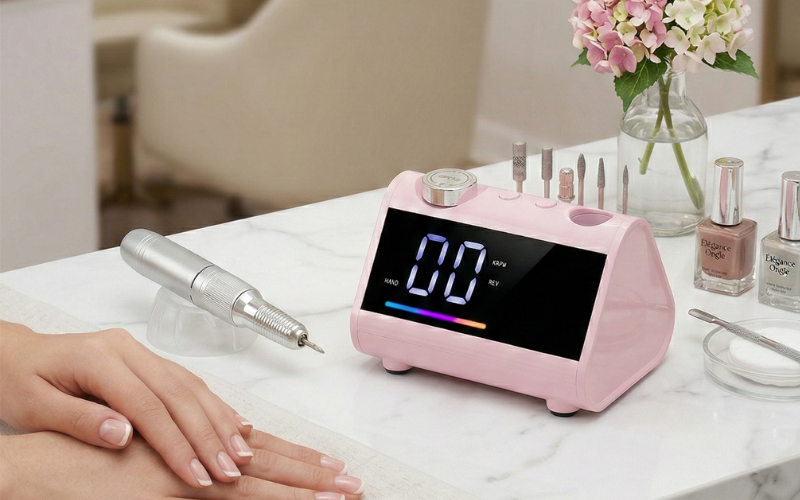
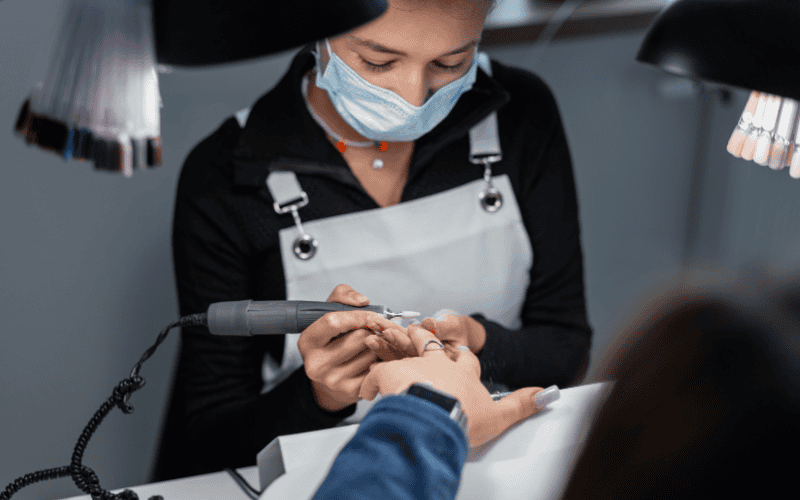
Professional-grade tools reduce stress on nails. Electric nail drills, especially brushless motor models, offer stable torque, precise speed control, and reduced vibration, making filing safer for the nail plate. For a detailed guide on brushless nail drill technology:
👉 Read our Zeal Shine article: Introduction to Brushless Motor for Nail Drill
4. Moisturize and Hydrate
Daily use of cuticle oil and hand creams maintains nail flexibility, reduces micro-fractures, and supports long-lasting manicures.
5. Avoid Using Nails as Tools
Leveraging nails to open packages or scrape surfaces creates micro-damage, shortening the interval between recommended manicures and increasing risk of breakage.
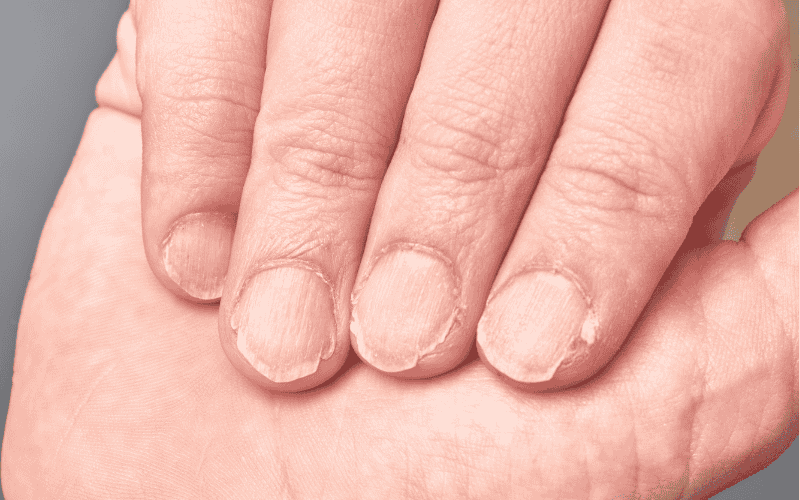
Signs You’re Overdoing Manicures
Persistent nail splitting or peeling
White spots or discoloration after polish removal
Pain, sensitivity, or redness in nail beds
Noticeable thinning of nail plates
If these symptoms appear, increase rest periods and consider switching to less aggressive manicure types.
Advanced Professional Techniques
1. Russian Manicure and Cuticle Precision
Russian manicure techniques focus on cuticle precision and minimal chemical exposure. It reduces lifting and extends manicure longevity without compromising nail health.
2. Builder in a Bottle (BIAB) and Structural Support
BIAB provides natural-looking reinforcement and flexibility, which is particularly useful for weak or brittle nails. Proper application can extend the interval between treatments safely.
3. Correct Buffing and Filing
Mechanical preparation should focus on even smoothing of the nail surface. Over-buffing reduces keratin thickness, weakening the nail. Brushless motor drills help maintain consistency while minimizing damage.
Science-Backed Summary of Ideal Manicure Frequency
Healthy nails with regular polish: 1–2 weeks
Gel manicure: 2–3 weeks
Builder gel / BIAB: 3 weeks
Acrylic / Extensions: 2–3 weeks (fills)
Weak or brittle nails: Adjust schedule based on nail condition and recovery needs
Combining biological understanding, proper tools, and professional techniques ensures that nails remain strong and manicures are long-lasting.
FAQ
Q: Is it harmful to get manicures weekly?
A: Only if gel or acrylic is involved. Over-frequent removal can compromise keratin.
Q: How long should nails rest between manicures?
A: 1–2 days for minor polish; 3–5 days for gel/acrylic if nails are weak or damaged.
Q: Can gel polish damage nails?
A: Gel itself is safe; improper removal is the main source of nail weakening.
Q: Which manicure type is healthiest?
A: Natural manicures and BIAB, when applied with proper hydration and technique.
Q: How do I know if I need a manicure break?
A: Nail thinning, splitting, sensitivity, or discoloration are clear indicators.
Conclusion
Determining how often to get a manicure is a balance between personal preference, nail biology, and professional technique. By understanding nail growth, keratin stability, and the effects of different manicure systems, you can maintain a healthy, strong, and beautiful set of nails. Incorporating professional tools like brushless motor nail drills, structured manicure techniques, and proper hydration ensures longevity and minimizes damage.
With this science-backed, professional approach, your manicure schedule becomes a proactive tool for healthy nails, not just an aesthetic routine.